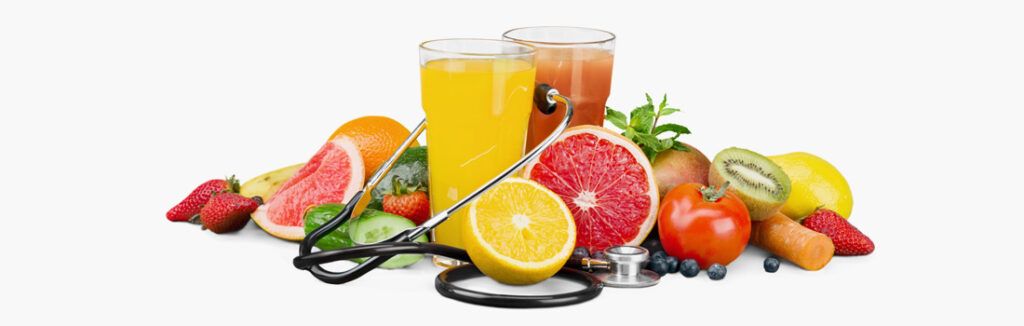


Does eating fruit make you fat?
Usually, when you follow a Weight control diet, the first recommendation is to limit the consumption of simple sugars etc. granulated sugar sucrose, fructose of fruit and juices, glucose of the Honey and lactose of the Latte, which should represent a maximum of 10-15% of the total daily carbohydrate allowance), preferring instead complex carbohydrates (e.g. pasta, bread, whole grains, etc.). At this point, the most common mistake is to start to fearing sugar, including fresh fruit, to the point, in the most extreme cases, of completely eliminating all types of sugar, therefore giving up on a daily basis Benefits of fruit.However, by doing so, you lose so much Precious micronutrients which are however excellent Allies in weight management and, above all, that allow us to maintain good health. The advice is, therefore, to Don't abolish fruit from the diet. To eat fruit without gaining weight, just follow due simple rules:
- Eating fruit portioning it, ', around two portions per day of 150g excluding waste;
- Prefer the more watery fruits, as they are less sugary.
The Kiwi it is a very watery fruit (approximately 85%% of its weight is water), therefore, its sugar content He is short and what's more, it contains a lot of fibre, which are good not only for the gut, but also have a satiating effect useful for diets aimed at weight loss. What's more, it's very low in calories: 100 g green kiwi contribute only 44 kilocalories.
Kiwi and their laxative properties
Despite having a sweet scent and taste, especially when ripe, You don't need to be afraid of eating two kiwis a day.. The high water and fibre content will, in fact, help to maintain a sense of fullness, very useful for those who tend to snack between meals, and to promote bowel movement. When following a diet to try and lose weight, in fact, one of the first unwanted side effects is onset of constipation.
- Eating two kiwis daily guarantees a Correct hydration and contributes, along with the vegetables and whole grains in the meals, to achieve the daily fibre requirement (around 30g per day). In this article We have described all the benefits of kiwis for constipation.
Kiwi polyphenols
You hear a lot about them, but what are these famous “polyphenols”?
- I Polyphenols are antioxidant molecules most represented from the plant kingdom. These are molecules capable of protect the body from the harmful action of free radicals, which are particles that accelerate the ageing process. Polyphenols are particularly abundant in fresh fruit, such as kiwis.
- Polyphenols offer several beneficial effects, including Antioxidant, contrasting the oxidative and pro-inflammatory state typical of obesity. For this reason, consuming plenty of polyphenols can be helpful in reduce the physiological weight gain what happens over time.
- It should be remembered that even a moderate increase in BMI (Body Mass Index) and waist circumference, over time, leads to a significant increase in the risk of disease, especially cardiovascular disease.
Furthermore, some studies have demonstrated that polyphenols can induce an increase in total energy expenditure, an increase in glucose (blood sugar) uptake by skeletal muscle, and a reduction in glucose in adipose tissue (fat), preventing obesity.
Kiwi vitamins
Eating two kiwis daily allows to meet the daily vitamin C requirement, which is 80 mg in adult women and 90 mg in adult men (reference values for the EFSA 2019 diet). The amount of Vitamin C content in 100 g of green kiwi è, in fact, equal to 85g, higher than that contained, for example, in oranges (49 mg per 100 g of food) or lemons (50 mg per 100 g).
- Vitamin C is essential for the health of our bodies as it performs several important functions, primarily being among the main compounds with antioxidant activities. Furthermore, it contributes to increase the absorption of iron from vegetables (not me) and can affect on calcium absorption, factors of paramount importance for those following a plant-based diet.
- Recent research has shown that kiwifruits, particularly the gold variety (Kiwi Goldcan increase the absorption and retention in the body of essential minerals in the diet, particularly iron, calcium, phosphorus and magnesium. This role is also performed by the Vitamin E, also found in kiwis (in the tiny seeds), though in smaller quantities compared to vitamin C.
Furthermore, due Kiwi daily (approx. 150 g) satisfy almost 100% (86%) of the requirement daily Middle Estimated for the Italian adult population of another important micronutrient: Vitamin K (EFSA 2019).
- Vitamin K is involved in blood clotting processes and has the characteristic of being fat-soluble, meaning it dissolves in fats. Therefore, to absorb it, it must always be paired with a fatty food source, such as Dried fruit (walnuts, almonds, hazelnuts, pistachios, etc.) or Hello Full-fat yogurt.
Kiwi mineral salts
As well as vitamins, kiwi also contains plenty of important mineral salts: Potassium, magnesium, phosphorus and iron.
- Potassium, in particular, by acting in synergy with the vitamin C and polyphenols contained in kiwi, contributes to Artery health reducing the risk of formationshe plaques atherosclerotic e diminuendo Blood triglyceride levels.
- Furthermore, the potassium content of kiwis is higher than that of bananas: 600 μg in 150 g of fruit, while bananas provide 525 μg in the same quantity.
Effects of kiwi on the heart and blood pressure
The data available to date, drawn from authoritative scientific studies, show that daily kiwi consumption it is related to the improvement of blood lipid profiles, reducing So cardiovascular risk.
- Even more encouraging results have been obtained with the variant Kiwi Goldthe daily intake of two gold kiwis for six weeks led patients overweight and obese subject of study to a greater Fat mass reduction, one improvement of inflammatory parameters and cardiovascular risk indicators.
- A further study has shown that in men and women with moderately high blood pressure, consuming three kiwis a day was associated with a Low systolic and diastolic blood pressure in 24 hours compared to eating an apple a day.
For all these reasons, kiwis should be considered as part of a strategy Natural dietetics and effective for addressing some of the main health and wellbeing concerns worldwide, as useful in Weight loss diet thanks to their laxative and anti-inflammatory properties, as well as their Protective function of the cardiovascular system Data on vitamins and minerals contained in the fruit.Scientific collaboration Dr Raffaella Cancello, Nutritionist Researcher, Department of Medical and Rehabilitative Sciences with an endocrino-metabolic focus, Laboratory of Research in Nutrition and Obesity, IRCCS-Istituto Auxologico Italiano Milan Essential bibliography
- Yang HY, Wang WH, Zhan JY, Huang YL, Cheng WY. Beneficial Effects of Golden Kiwifruit Consumption in Overweight and Obese Young Adults. J Nutr Sci Vitaminol (Tokyo). 2020;66(Supplement):S356-S360. doi: 10.3177/jnsv.66.S356. PMID: 33612624.
- Svendsen M, Tonstad S, Heggen E, Pedersen TR, Seljeflot I, Bøhn SK, Bastani NE, Blomhoff R, Holme IM, Klemsdal TO. The effect of kiwifruit consumption on blood pressure in subjects with moderately elevated blood pressure: a randomised, controlled study. Blood Press. 2015 Feb;24(1):48-54. doi: 10.3109/08037051.2014.976979. Epub 2014 Dec 8. PMID: 25483553.
- Recio-Rodriguez JI, Gomez-Marcos MA, Patino-Alonso MC, Puigdomenech E, Notario-Pacheco B, Mendizabal-Gallastegui N, de la Fuente Ade L, Otegui-Ilarduya L, Maderuelo-Fernandez JA, de Cabo Laso A, Agudo-Conde C, Garcia-Ortiz L, Group E. 2015. Effects of kiwi consumption on plasma lipids, fibrinogen and insulin resistance in the context of a normal diet. Nutr J 14:97.
- Ma T, Sun X, Zhao J, You Y, Lei Y, Gao G, Zhan J. 2017. Nutrient compositions and antioxidant capacity of kiwifruit (Actinidia) and their relationship with flesh colour and commercial value. Food Chem 218: 294–304.
- He M, Zeng J, Zhai L, Liu Y, Wu H, Zhang R, Li Z, Xia E. Effect of in vitro simulated gastrointestinal digestion on polyphenol and polysaccharide content and their biological activities among 22 fruit juices. Food Res Int. 2017 Dec;102:156-162. doi: 10.1016/j.foodres.2017.10.001. Epub 2017 Oct 2. PMID: 29195935.